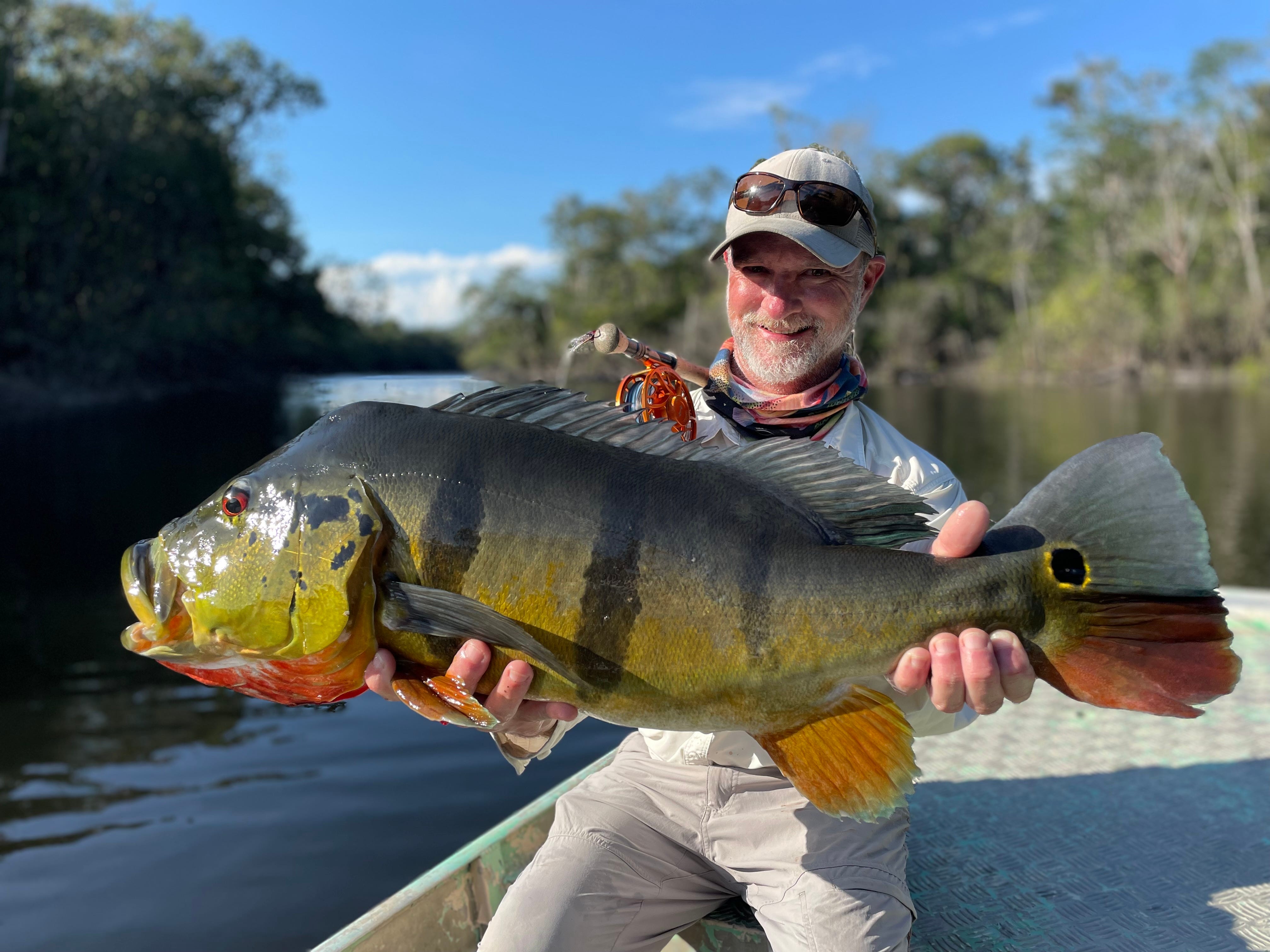
Agua Boa Amazon Lodge, Brazil.
To book or for more information please call, (434)760-3474

Agua Boa, Brazil.
To Book please call, (434)760-3474
AGUA BOA AMAZON LODGE.
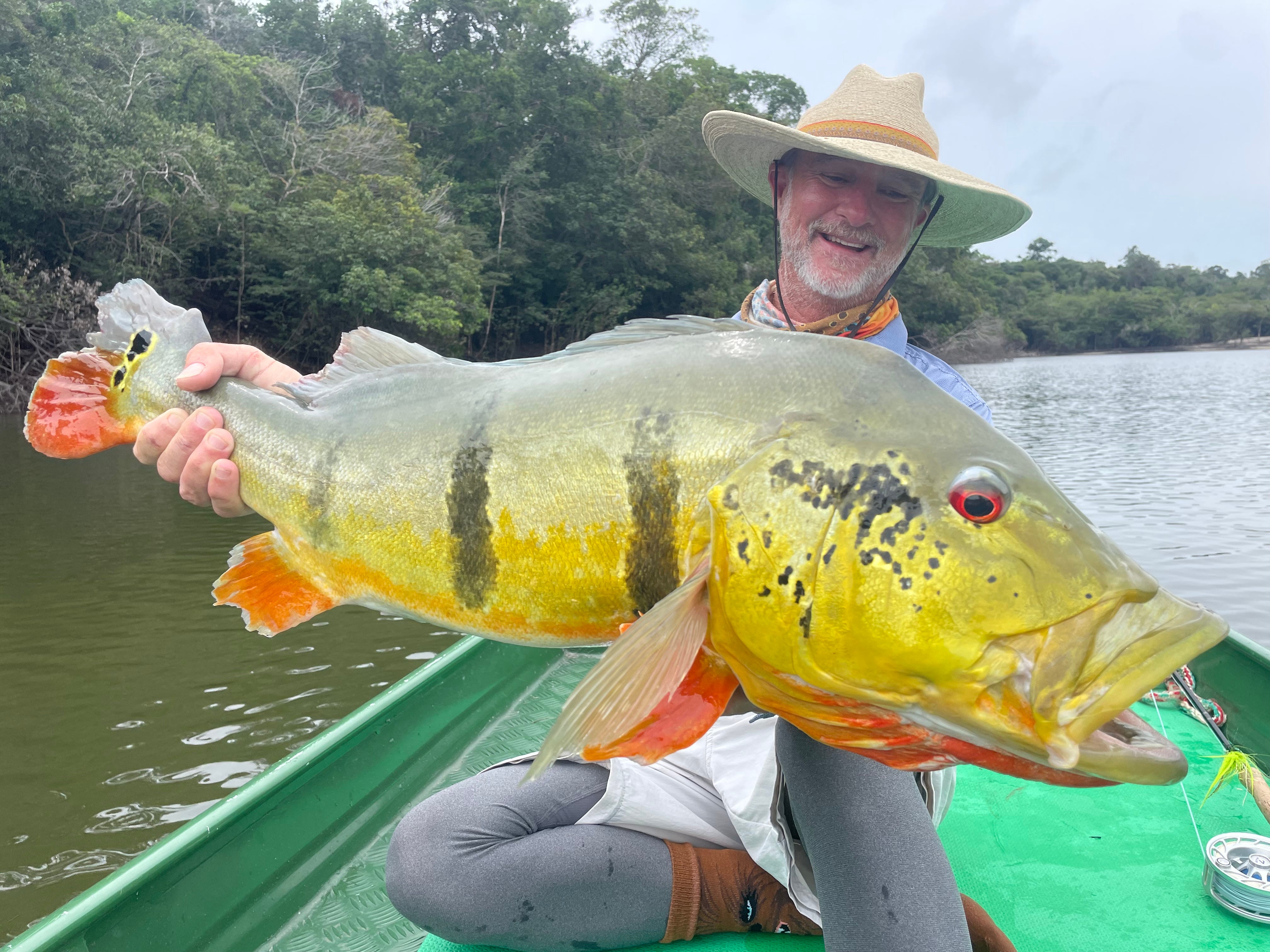
The Agua Boa river boasts some of the world’s best fly fishing for peacock bass, a ferocious fish adorned with festive yellows, oranges, greens, and black. Anglers sight cast to shallow white sandbars for prowling peacocks. Twenty pounders are not uncommon. Caiman and jaguars will check out your casts. Guests stay in air-conditioned bungalows overlooking both a pool and the magnificent river.”—Forbes Life staff.


“The large number of peacock bass make this trip mind-boggling.” - Larry Schoenborn.
The Lodge Season: The Lodge is open for the dry season from mid-October to the first of April.
Peak Fishing Season: November and December are remarkable fishing months. The peacock bass haven’t seen much pressure, and the river isn’t too low. The dropping river levels draw the fish out of the maze of trees, root systems, and lush vegetation. The rainy season—April through September—occasionally fails to abide by schedules and may add mid-season downpours. Although the Agua Boa River fishes good at any water level and has consistent peacock numbers, most often, the best fishing is before January. After January 1, the levels can become too low to navigate quickly, and the fish are easily spooked. Before water levels drop, anglers focus on the lagoons attached to the river and teeming with fish. Agua Boa peacock bass.
Peacock Bass: To understand peacock bass, you need to first consider their habitat. The Agua Boa’s clear water is well-suited to fly fishing, allowing anglers to sight-fish for peacocks up to 23- pounds, along with a host of other jungle species.


Peacock bass come in a variety of sizes, and you’ll find these three at Agua Boa: 1.) The Butterfly 2.) Spotted or three bar also known as Temensis peacocks, and 3.) Towa. The butterfly peacock is the most numerous species in the system. Butterflies are aggressive and are taken on poppers and 3- to 4-inch streamers. They are great fighters, jump often, and average 2 to 5-pounds. Butterfly peacocks provide plenty of action between shots at larger fish. The spotted/three bar or temensis peacock bass are a totally different beast. They are the largest of the peacocks, up to 30-plus pounds. These peacocks are some of the most aggressive gamefish on the planet. Spotted and temensis peacocks are the same fish, just different color phases. They travel in packs of up to forty fish and feed together, working bait like a pod of bluefish. A school of the large peacocks in a full-feeding frenzy attacking one-pound baitfish is something to see. The baitfish are flying everywhere in a desperate attempt to escape, including jumping onto dry land to get away. If you can get your fly into the action, the results are spectacular. A ferocious take, a jump, and a blistering run into structure are just a few of the obstacles you might encounter. Towa’s are found mainly in the lower two beats and look like a butterfly without the three butterfly patterns on the side. They do have a butterfly pattern at the base of the tail. A large towa runs 3 to 4 pounds.


Other jungle species are well worth pursuing. The arowana looks and fights like a tarpon—they are aerial fighters, good runners—and average 4 to10 pounds.
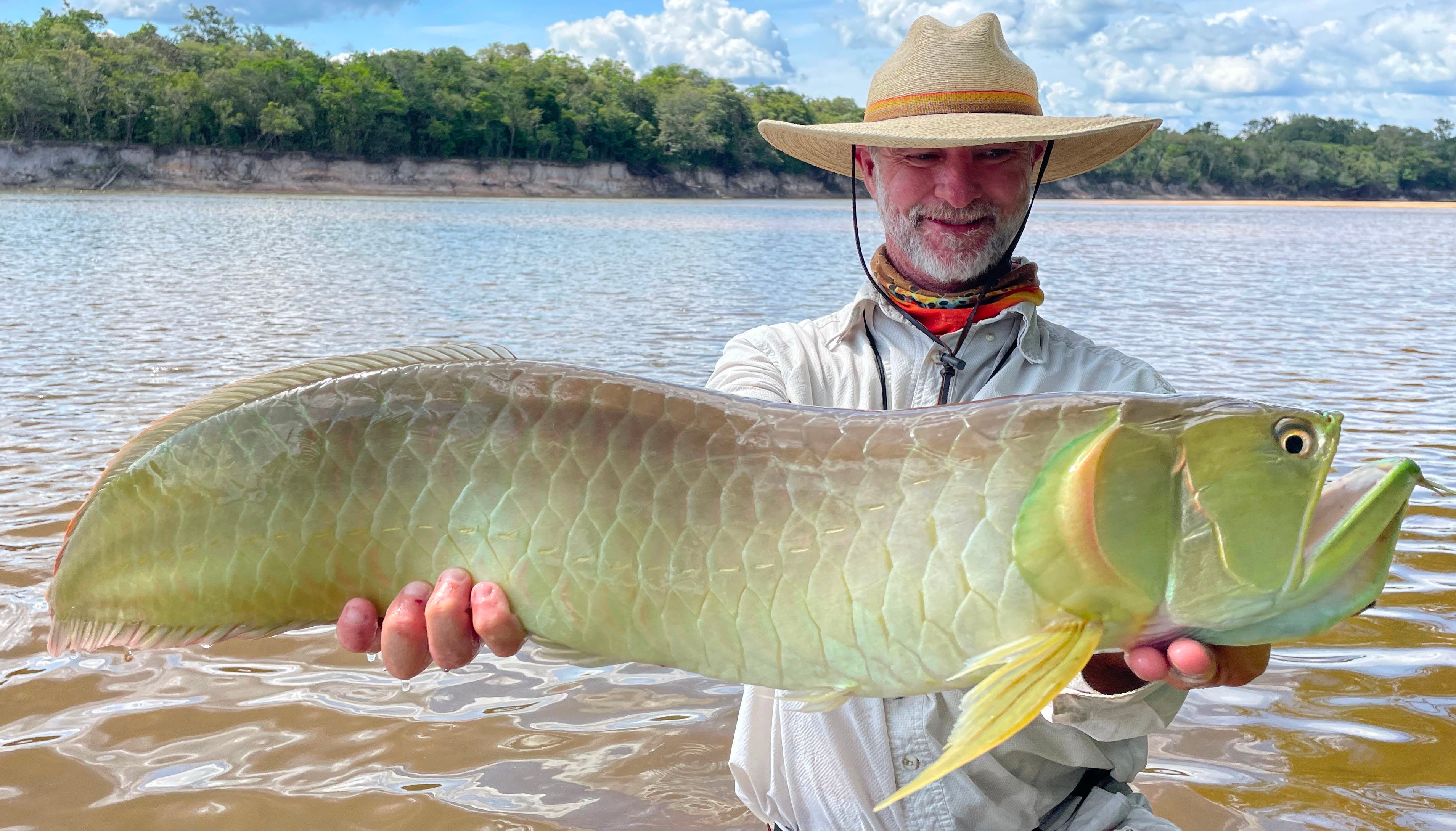
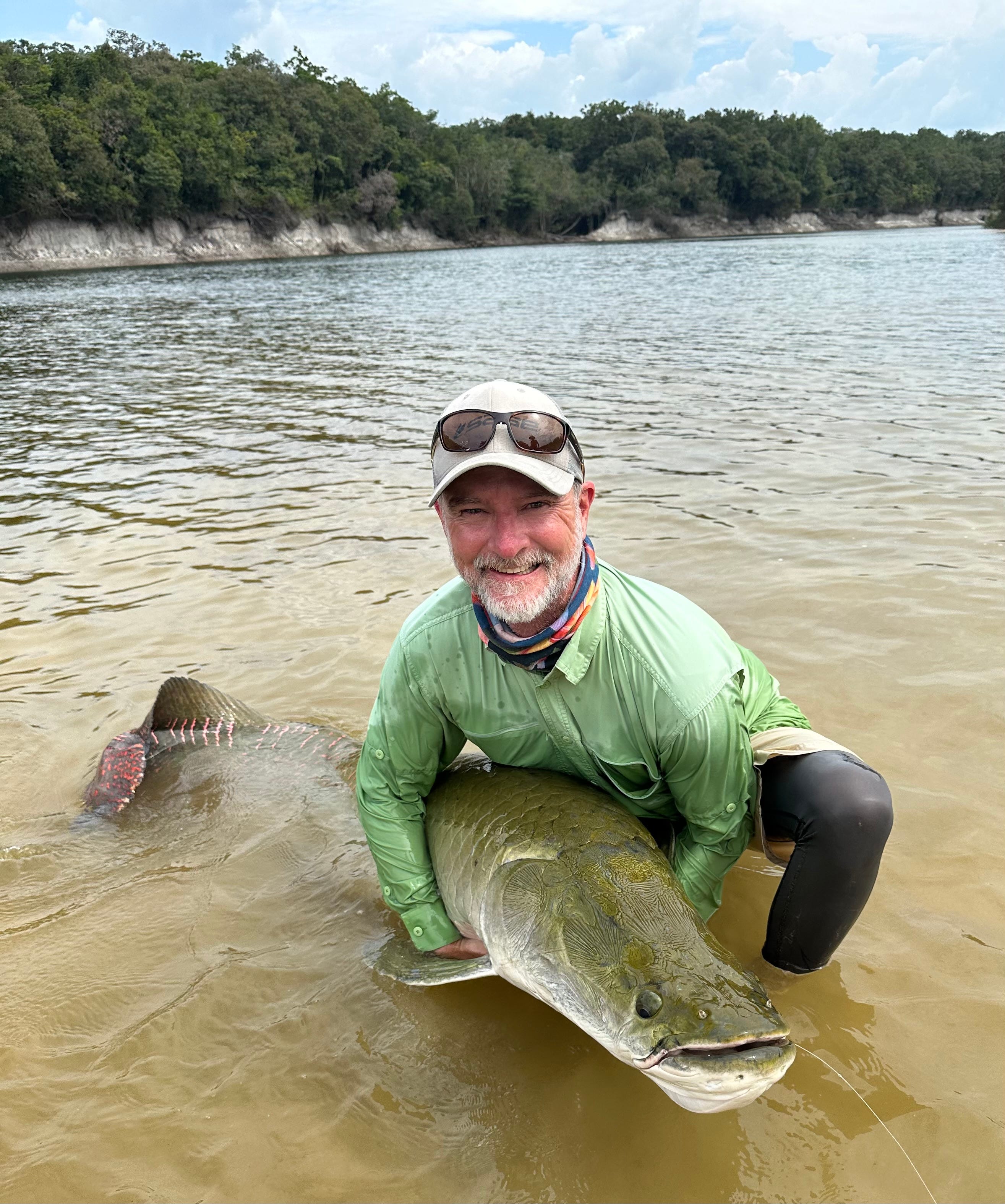
Pirarucu/arapaima, the giant tarpon of the Amazon, grow to more than 200 pounds. These fish look and act a lot like a tarpon. In the last couple of years, the guides have started catching more of them. Use long slow strips, and your peacock bass flies. Pacu can reach up to 10 pounds, are shaped like permit, and are taken on trout patterns. On peacock bass fly patterns, you’ll also land piranha, shovelnose, tiger catfish, and more.
Boats: The fleet of 18-foot aluminum skiffs with poling platforms and new fishing support rails are ideal for fishing these waters. Late in the season, when the water gets low, the motors are switched from two-stroke Mercury outboards to Yamaha four-stroke jet motors. The jet motors prove invaluable for those low water sight casting opportunities. The guides pole the boats from platforms or occasionally paddle to ensure the best fly fishing. Each boat has a GPS SPOT device, so the guides can contact the Lodge in case of an emergency. Anglers may request to fish alone for an additional cost and are subject to availability. Boats are kept on several lakes, some just off the river and others that are up to a quarter-mile hike. Two anglers per boat and guide.
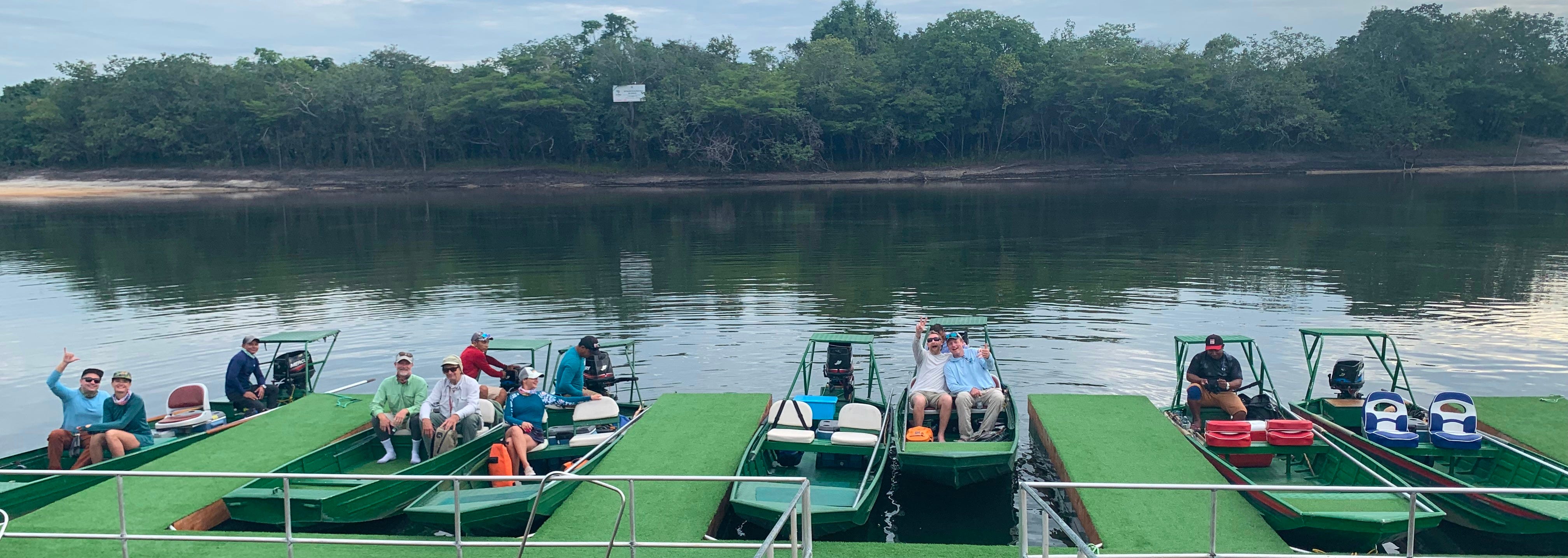
Guides: You’ll rotate guides each day. With many years of guiding on the Agua Boa, their experienced guides do their best to get you into fish. The guides speak Portuguese yet know enough English for you to understand them. The guides can take you fishing as early as 7:00 a.m., and you are welcome to fish until 5:00 p.m.
Climate: Expect hot weather, as you’ll be near the equator—90°F plus. The Lodge is open during the dry season, and rain showers are infrequent.
Insects: You’re unlikely to see mosquitoes at the Lodge. In the evening and early morning, the no-see-ums may be a problem. You won’t feel them bite, but you will probably itch and develop a rash later. If you use repellent and wear long-sleeve shirts and pants, you’ll hardly notice them.
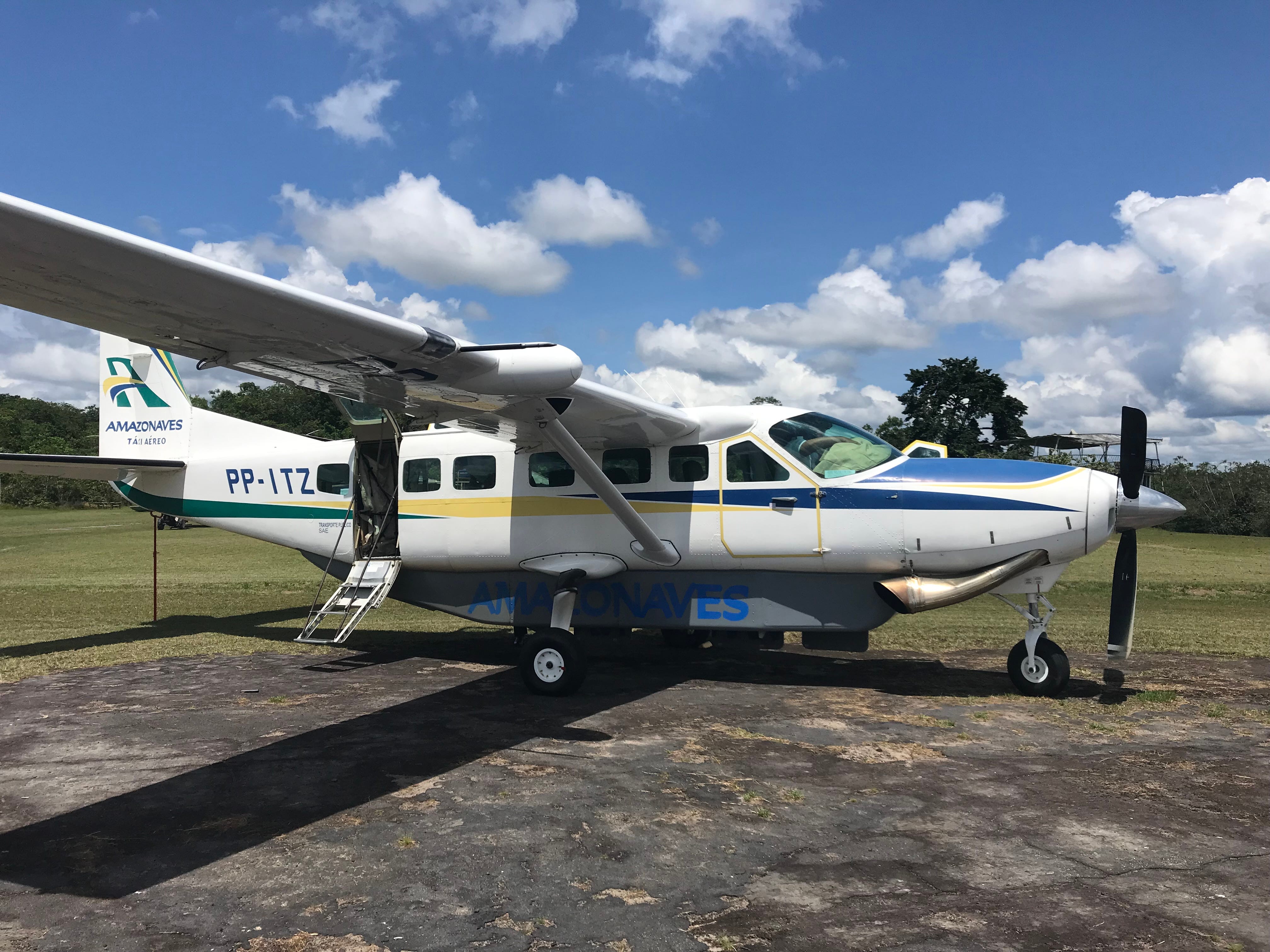
About Agua Boa Amazon Lodge Agua Boa Amazon Lodge is remote—it’s over 50-miles to the nearest habitation. After an hour and 45-minute charter flight from Manaus, you’ll land at the Lodge’s private paved airstrip. The Lodge sits nearby, overlooking the Agua Boa River. The Lodge is one of the most deluxe lodges in South America. Amenities include a 65-foot swimming pool, dining room, bar and lounge area, satellite TV with English channels, ping pong table, and a billiards table in the recreation room. The Lodge accommodates up to 12 guests in six air-conditioned bungalows. Each bungalow has a front and back porch. There are two double-size beds, a private bathroom with a shower, a reading area, and a refrigerator with cold drinks. Solar panel heated water. Bungalows are typically double occupancy, but single occupancy are available for an additional cost. Carlos, the Lodge manager, speaks English.
Non-Angler Activities: The Lodge has two well-maintained jungle trails. One is a 45-minute walk, and the other is a 90-minute walk. Knowledgeable guides will accompany any guests that would like to explore the trails. If wildlife viewing or photography is of interest to you, the Lodge can arrange for one of their guides to take you on a complimentary boat ride to locate exotic birds, including macaws, parrots, jabiru storks, turkeys, and more. It’s common to see caiman, tapir, freshwater dolphins, giant river otters, monkeys, and an occasional jaguar.


For more information, click here.
See you in the Amazon,
Carson