Dave Duncan & Sons
Kanektok River - Alaska
For over 40 years, Dave Duncan & Sons have guided anglers on Alaska’s legendary Kanektok River, known as “The Chosen.” Located in the remote Togiak National Wildlife Refuge, this pristine river offers all five species of Pacific salmon, trophy leopard rainbow trout, Dolly Varden, Arctic char, and grayling. With two strategically placed base camps and limited-space float trips, the Duncans provide anglers a rare chance to fish one of Alaska’s most productive and diverse rivers in comfort, while experiencing the true wilderness of southwest Alaska.
June 26 - July 3, 2027. Upper Camp
Anglers, 12
Available, Full
-
The guides at Dave Duncan & Sons are highly experienced professionals with deep knowledge of the Kanektok River and its diverse fishery. Many have been with the operation for over six years, and some for more than a decade, giving them expert understanding of the river’s braids, side channels, and seasonal fish movements.
-
Fly fishing and spinning gear are allowed, giving anglers flexibility on the water.
-
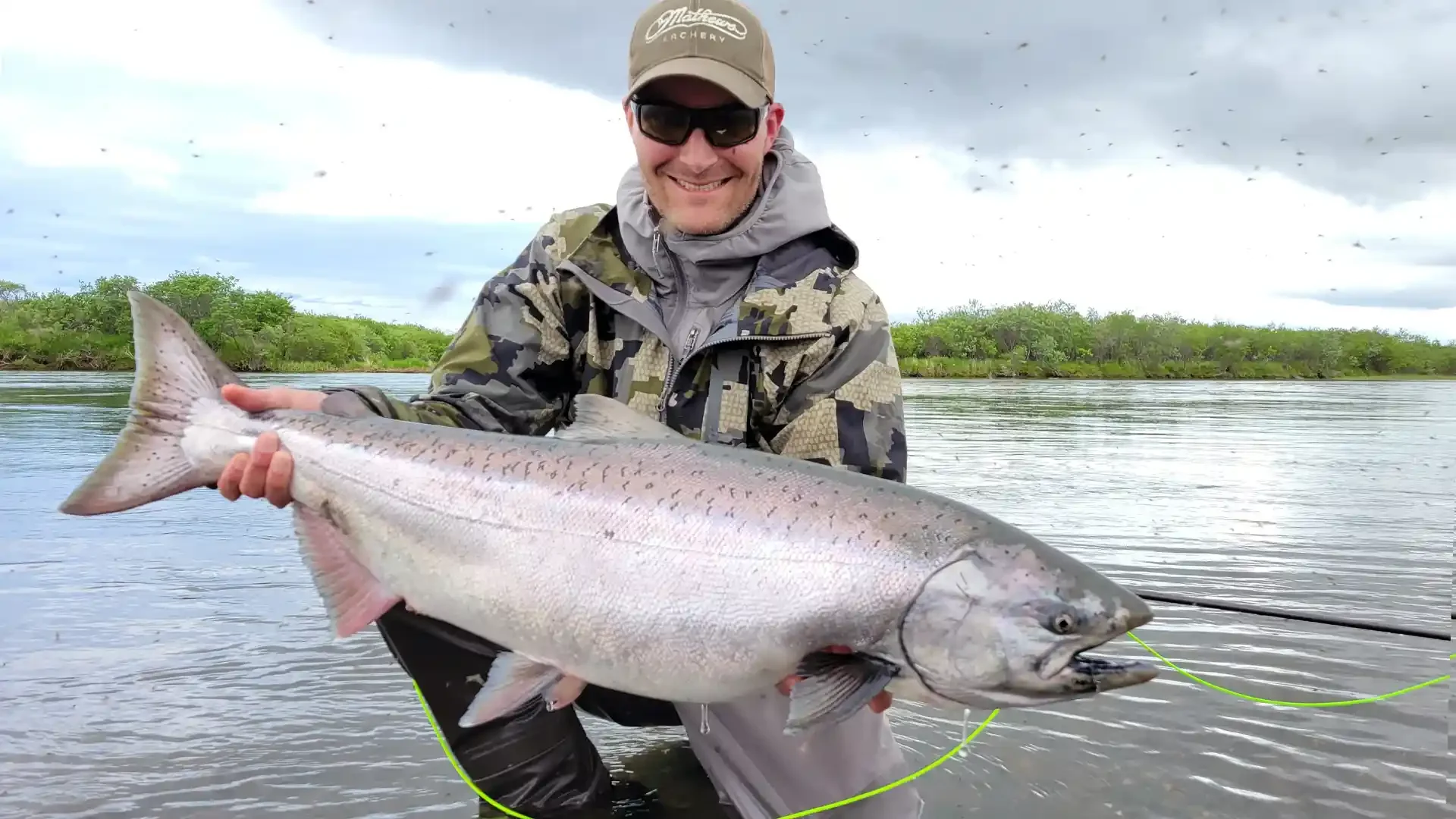
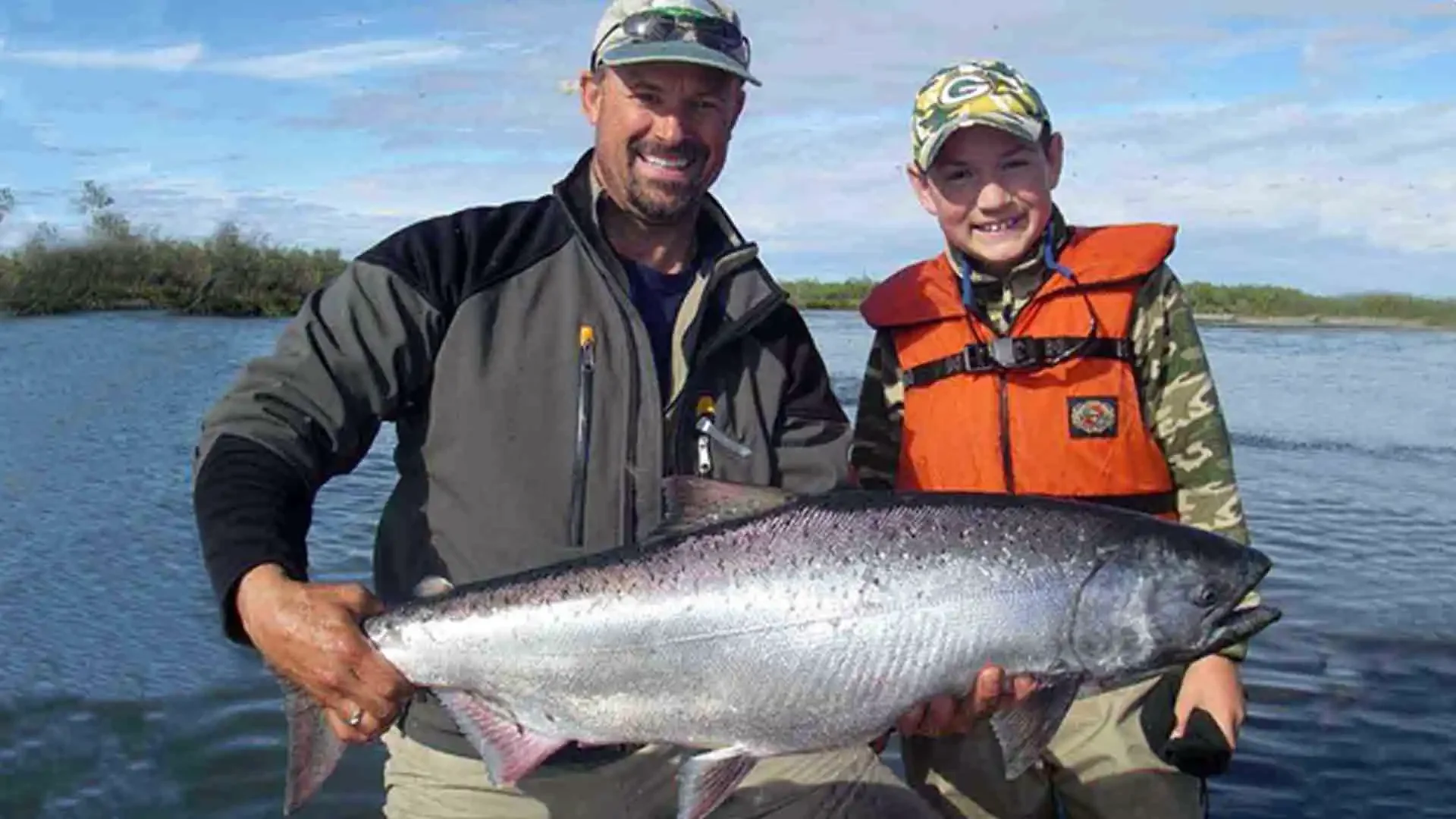
All five species of Pacific salmon – king (Chinook), silver (Coho), sockeye (red), pink (humpy), and chum salmon
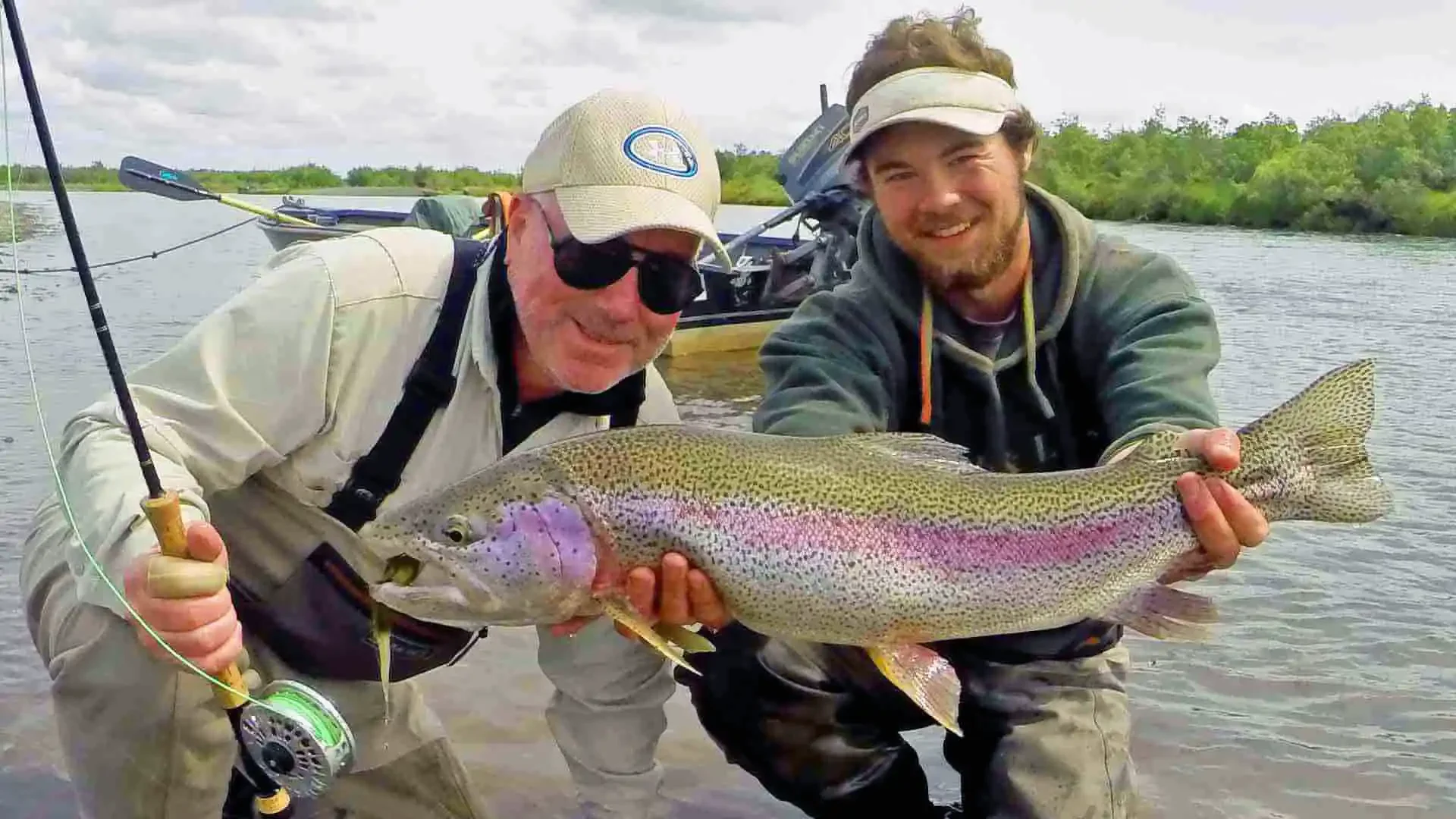
Trophy leopard rainbow trout – including large resident fish catchable throughout the season
Dolly Varden – an aggressive char species found throughout the river
Arctic char – sea-run char that add variety to the fishing experience
Grayling – plentiful and fun to catch in many parts of the river
-
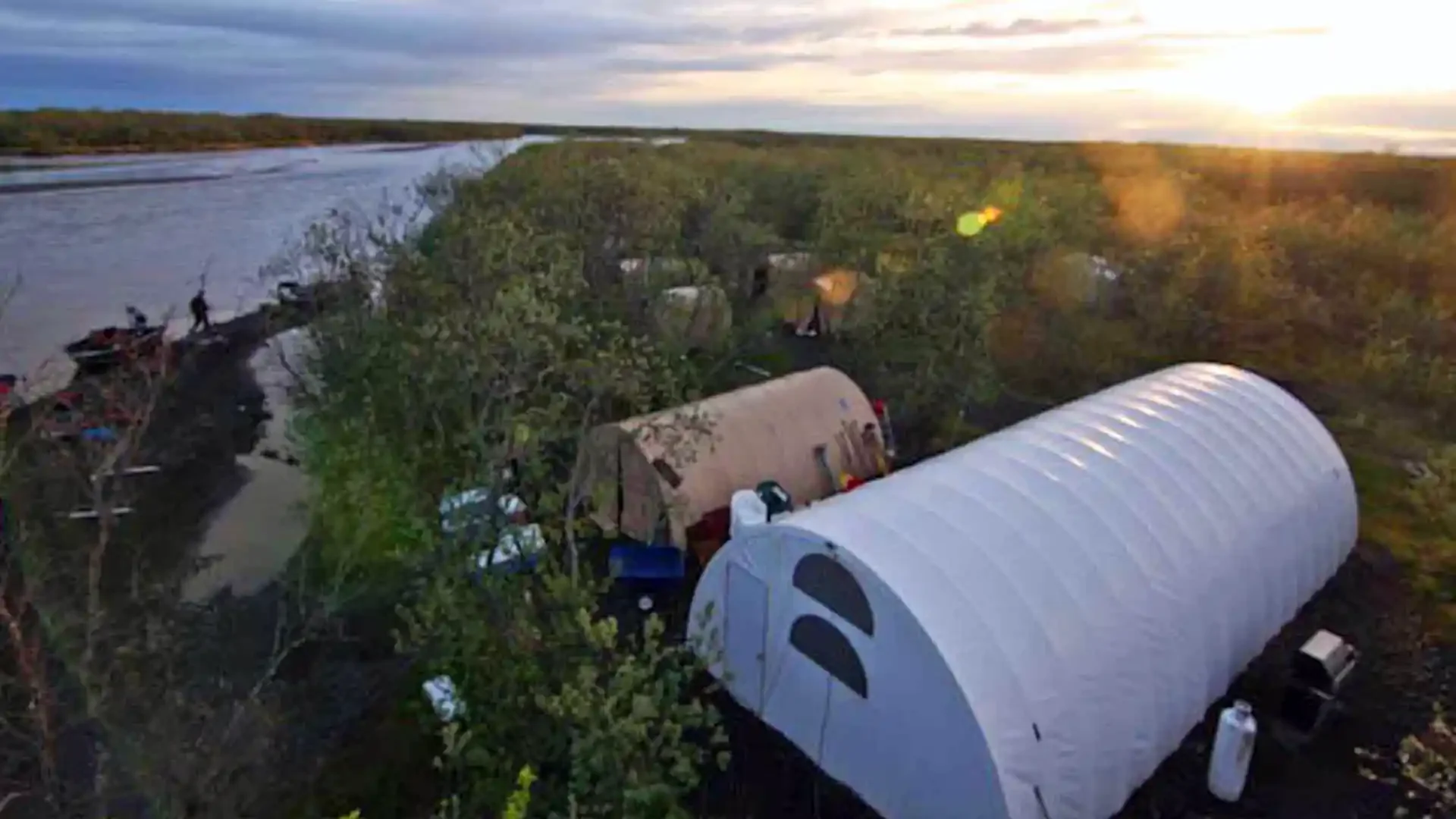
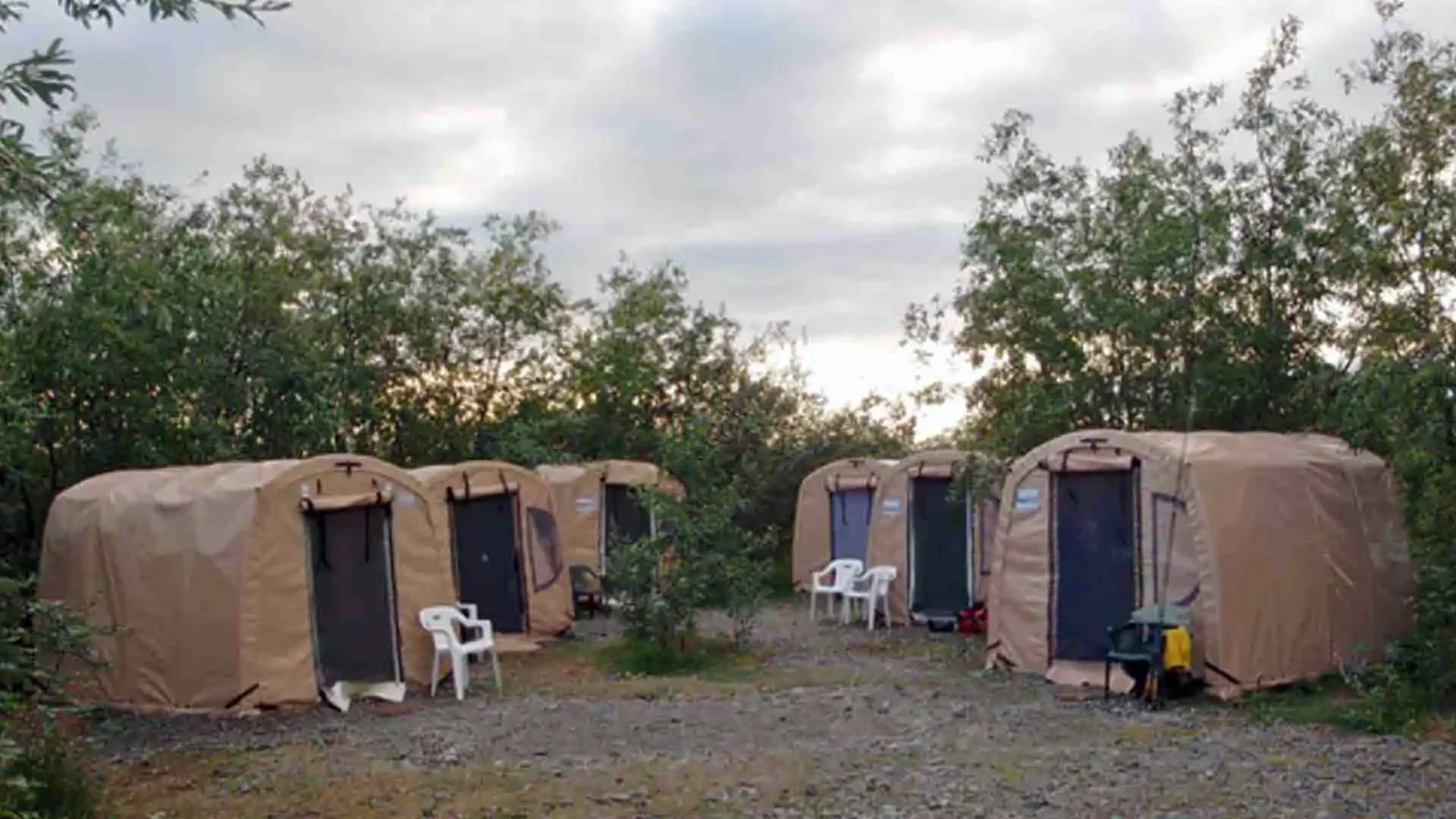
The camps use heated, double-occupancy wall tents set up on raised platforms to keep guests off the ground and protected from moisture. Each tent typically includes comfortable cots or beds and storage space for personal gear, providing warmth and shelter from the elements while still allowing guests to feel immersed in the Alaska wilderness. The tents are spacious enough for two people, and guests are responsible for bringing their own sleeping bags.
-
June 20 – August 29
Late June – Early July
King (Chinook) Salmon: The early summer run begins, offering prime opportunities for large kings.
Sockeye (Red) Salmon: Starts arriving, though the peak is still a bit later.
Rainbow Trout & Dolly Varden: Active throughout the river, including smaller resident fish.
Grayling: Very active in mid-summer, providing fun for fly anglers.
Mid July – Early August
Sockeye Salmon: Peak run; bright red fish dominate the river.
Coho (Silver) Salmon: Early numbers begin to appear toward late July.
Leopard Rainbow Trout: Trophy fish continue to be active, feeding heavily before the late-summer salmon push.
Dolly Varden & Grayling: Still abundant throughout the river.
Mid – Late August
Coho (Silver) Salmon: Peak season; numbers are high and consistent.
Pink Salmon (Humpy) & Chum Salmon: Arrive later in the season for a shorter but intense run.
Arctic Char: Sea-run char are more prominent, especially in the river’s lower stretches.
Rainbow Trout & Dolly Varden: Still catchable, often in areas less impacted by late-summer salmon.
-
2026 Rates:
Children age 15 and under 20% off the package rate.
Upper River Base Camp
June 20 to August 29
7 nights / 6 days guided fishing
$7,200 per person
Lower River Base Camp
June 20 to August 29
7 nights / 6 days guided fishing
$7,100 per person -
Fly Fishing Gear
9–10 weight – King Salmon & larger salmon, with a reel holding 200–300 yards of backing and a strong drag.
8–9 weight – Sockeye, Coho, Chum, and big trout, paired with a quality reel and sufficient backing.
6–7 weight – Rainbow trout, Dolly Varden, and grayling; versatile for common river techniques.
Lines & Backing – Floating lines are standard; salmon may benefit from sink tips. Reels should have 150–300 yards of backing for long runs.
Leaders & Tippet
12–20 lb test – Salmon leaders, monofilament or fluorocarbon for abrasion resistance.
Lighter tapered leaders – For trout and char.
Spinning Gear
Medium-heavy rod, 15–30 lb test line – Salmon and larger river species.
Medium rod, 8–15 lb test line – Trout, grayling, and smaller char.
Note – Dave Duncan & Sons provide 6, 8, and 10‑weight fly rods and reels for guest use, while spinning gear is usually brought by anglers, except during king salmon season, when spin rods and reels may be available at camp.
-
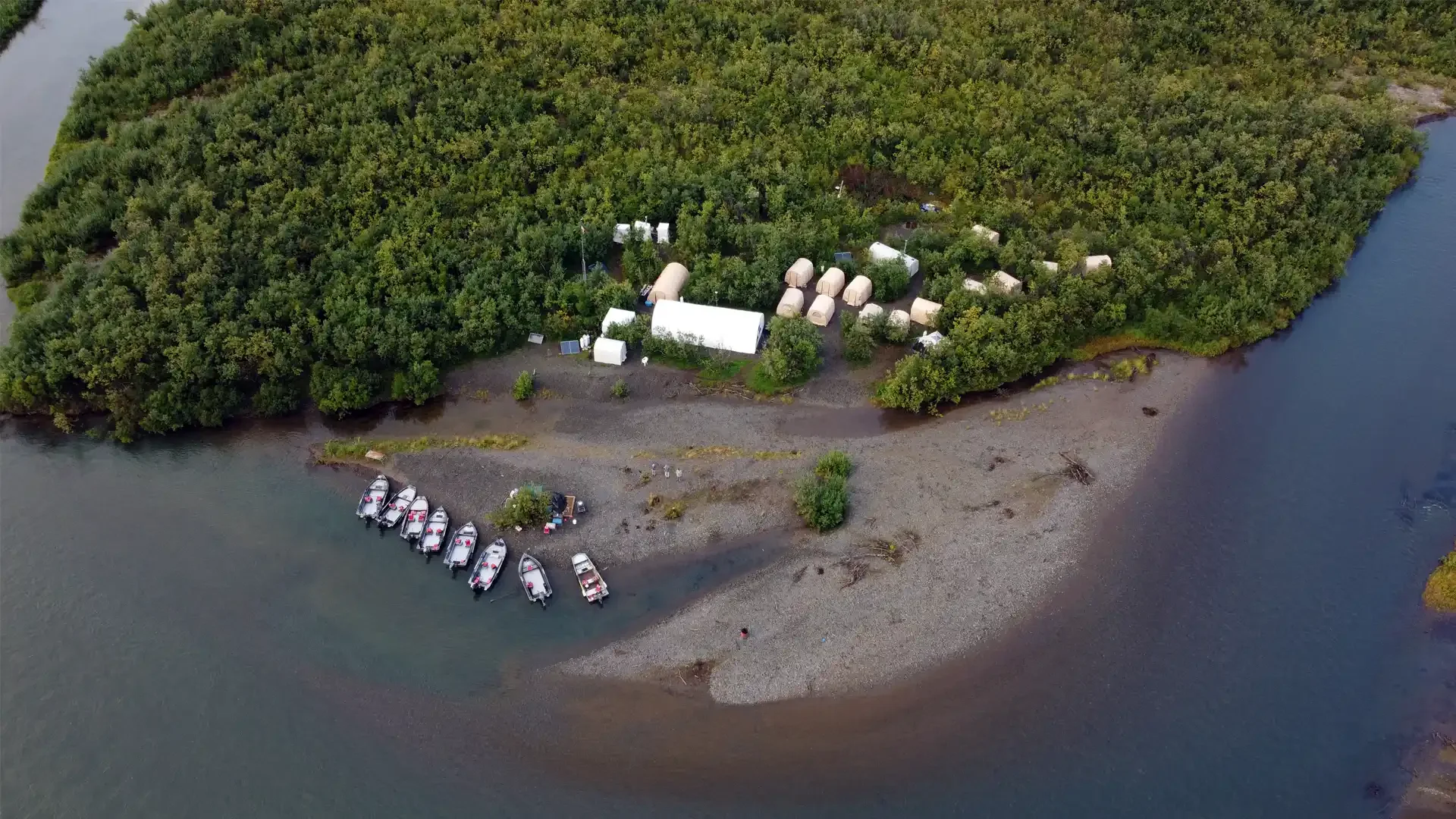
Each of the Lower and Upper Base Camps accommodates up to 12 anglers per week.
-
At Lower Camp, anglers fish from 17‑foot Willie boats with wide beams, providing a stable platform and drift‑boat‑style performance for casting along banks and holding water.
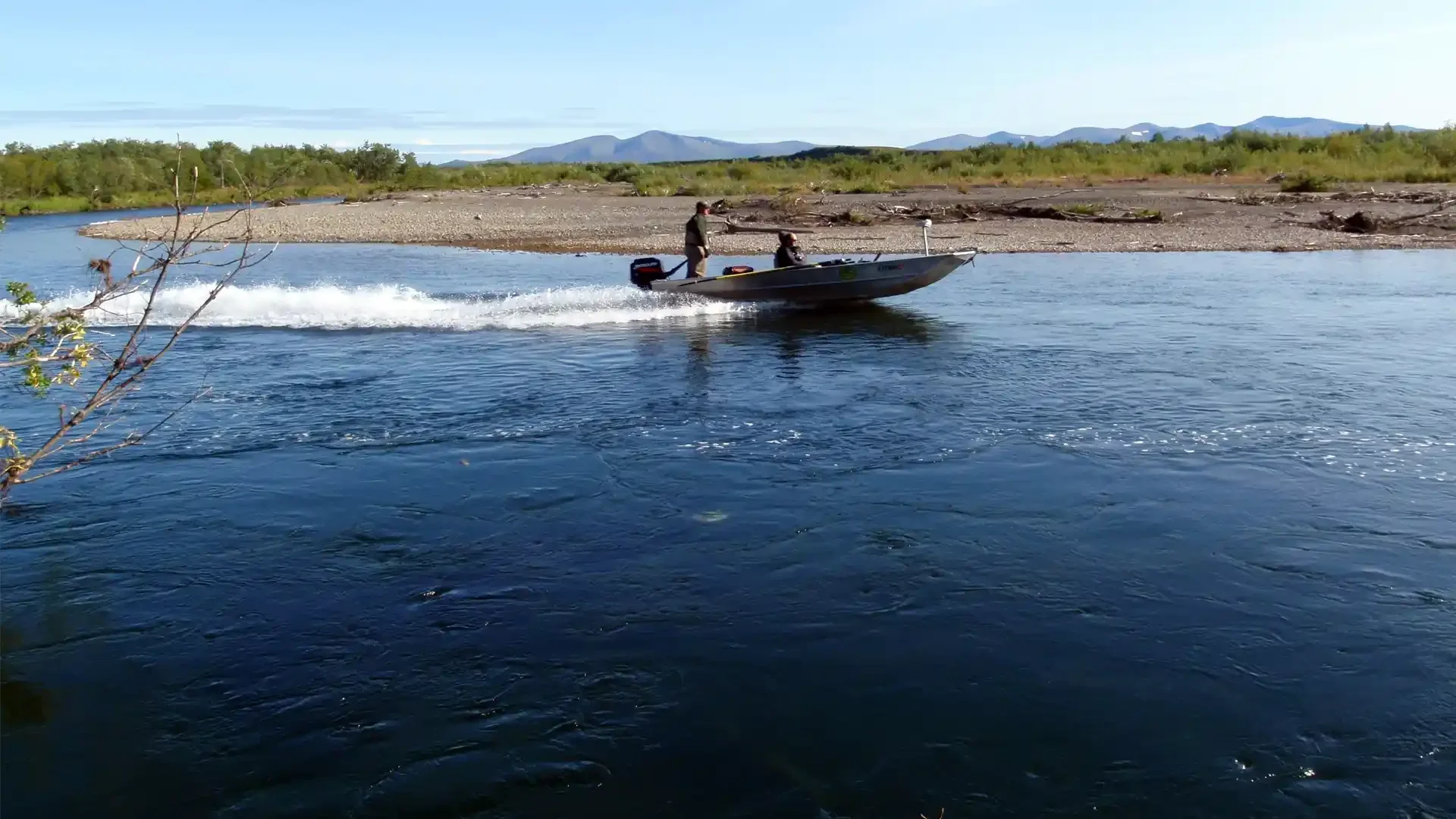
At Upper Camp, guides use 18‑foot jet sleds, which are highly maneuverable in shallow or narrow sections of the river. Each boat is configured so that a guide can safely take two anglers to different fishing spots each day.
-
1. Anchorage to Bethel: From Anchorage, take a roughly one-hour flight to Bethel. Alaska Airlines typically offers the best Saturday schedule for this route.
2. Bethel to Quinhagak: From Bethel, board a Grant Aviation Cessna Caravan for a 30-minute flight to Quinhagak. The roundtrip fare is approximately $650 per person (2026), payable directly to Grant Aviation upon arrival in Bethel. Flights to Quinhagak usually depart around 2:45 p.m.
3. Arrival in Quinhagak: You’ll land at Quinhagak Airport (KWN) around 3:30 p.m., where the Duncans and their guides will meet you. Your bags will be transferred from the aircraft to the boats for the upriver ride—about 45 minutes to Lower Camp and two hours to Upper Camp. Be sure to have rain gear handy for the boat ride.
Departure Day: Your return flight from Quinhagak to Bethel departs at 9:15 a.m., arriving in Bethel around 10:00 a.m. Alaska Airlines offers a connecting flight from Bethel to Anchorage at 1:00 p.m.
-
The Packages Include:
• Reception at Quinhagak Airport
• Boat ride to camp
• Guided fishing
• Use of fly rods and reels
• Use of spin rods and reels for king salmon
• Fly-tying materials
• Tent camping
• All meals at camp
• Coffee, tea, and soft drinks.The Packages Do Not Include:
• Airfare to and from Anchorage
• Roundtrip airfare between Bethel and Quinhagak
• Ground transfers, hotels, and meals in Anchorage
• Sleeping bag
• Alaska fishing license, $45
• King salmon stamp, $45 (for June 15 to July 25)
• Flies
• Spin gear for non-salmon species
• Alcoholic beverages
• Gratuities to guides and staff, $800 to $900 p.p.
• Global Rescue coverage
• Travel Insurance
• Anything not listed under inclusions.
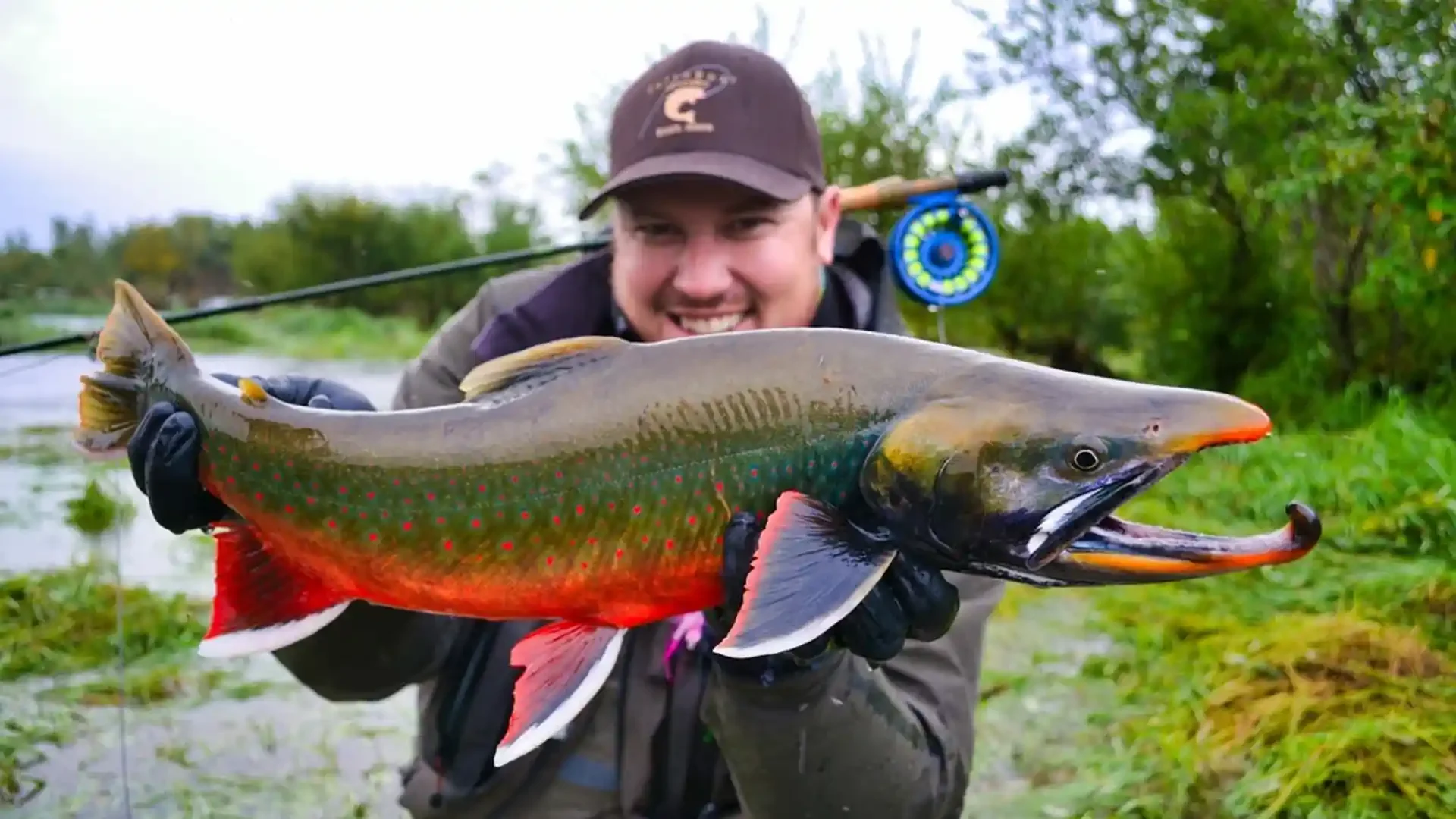
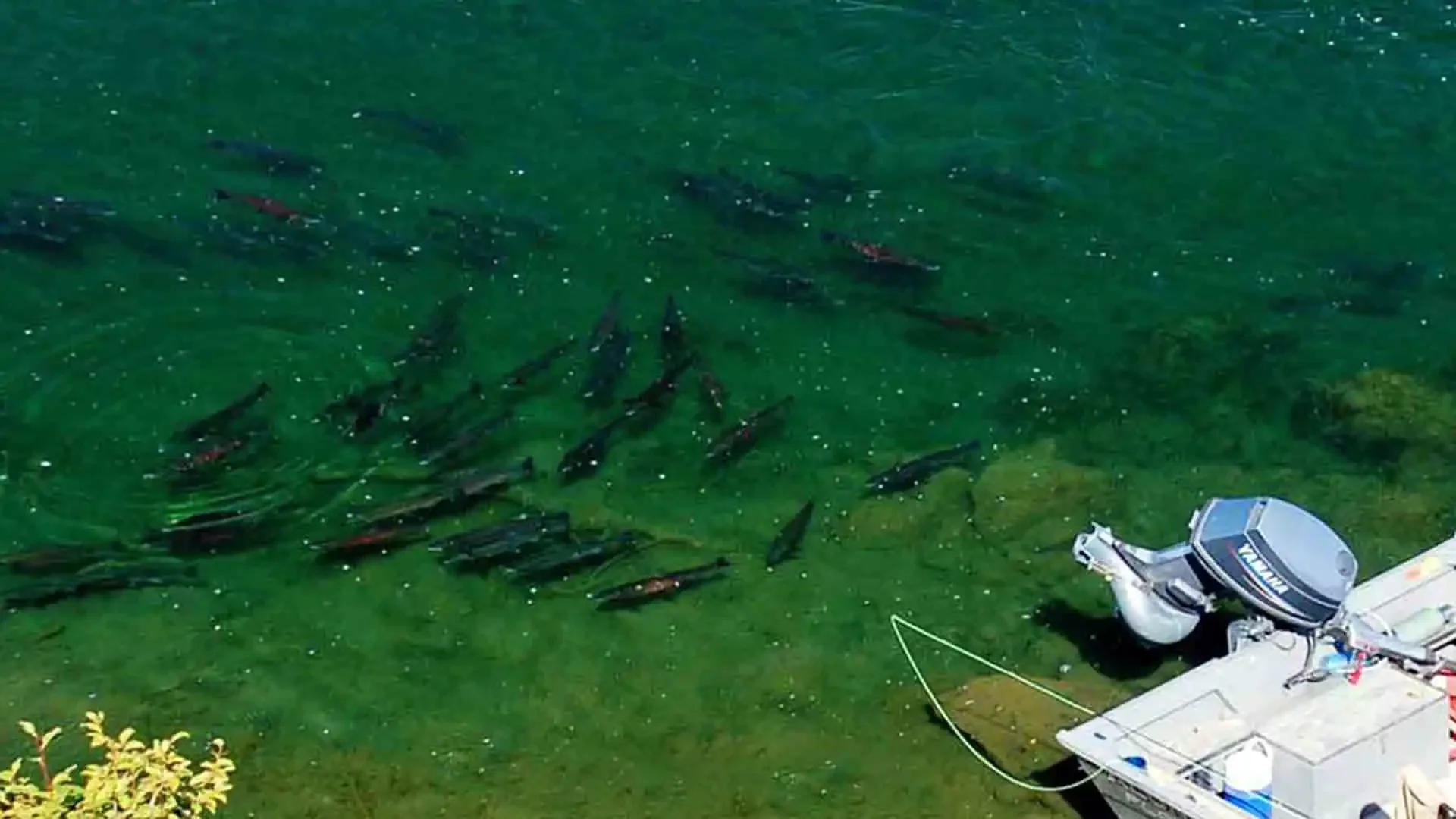
The Kanektok River and Its Surrounding Area
The Kanektok River, flowing through the remote Togiak National Wildlife Refuge in southwest Alaska, offers one of the most pristine and untouched wilderness experiences in the state. Surrounded by the Ahklun Mountains, tundra, wetlands, and river valleys, this area is home to abundant wildlife including bears, moose, caribou, and migratory birds. Visitors access the river by floatplane or guided trips, staying in strategically placed camps that combine comfort with true backcountry immersion. Known locally as “The Chosen,” the Kanektok River provides a rare opportunity to experience Alaska’s remote wilderness in a serene and exclusive setting.
It’s a world-class fishing destination guided by Dave Duncan & Sons. This pristine, remote river supports all five species of Pacific salmon, as well as trophy leopard rainbow trout, Dolly Varden, Arctic char, and grayling. With two strategically placed base camps and limited-space float trips, anglers can fish in comfort while experiencing the untouched wilderness of the Togiak National Wildlife Refuge. The Kanektok River is one of Alaska’s most productive and diverse rivers for a truly unforgettable fishing adventure.
Lower Base Camp and Upper Base Camp, both offer outstanding fishing, but differ in location and emphasis.
Lower Base Camp, located about 15–18 miles upriver closer to the ocean, features wider, deeper main-channel water and is best known for salmon — especially fresh king and silver runs. Because it’s nearer the river mouth, salmon are typically more abundant and ocean-bright here, making it ideal if your main goal is powerful fish and classic big-water swinging.
Upper Base Camp, roughly 30 miles upriver, sits in braided channels with gravel bars and more intimate water. It’s especially known for trophy rainbow trout, mousing, and streamer fishing. Salmon do run through this section and are caught regularly, particularly when runs are strong — so anglers can still enjoy good salmon action along with exceptional trout fishing. In short: Lower Camp = more salmon and bigger water. Upper Camp = more trout emphasis and braided water — but still with salmon opportunities.
Sample Fishing Day
6:30 a.m. – Freshly brewed coffee is ready to start your morning.
7:00 a.m. – Breakfast is served to fuel your day on the river.
8:00 a.m. – Guided fishing begins with your expert guide.
12:00 p.m. – Enjoy deli-style sandwiches, chips, fruit, cookies, and soft drinks. For a special experience, you can request a shore lunch featuring freshly caught fish—just let your guide know your preferences before leaving camp.
6:00–6:30 p.m. – Return to camp after a full day on the river.
7:00 p.m. – Dinner is served, and the head guide provides a daily orientation. If you still have energy, evening fishing is optional.
Main Camp and Guest Accommodations
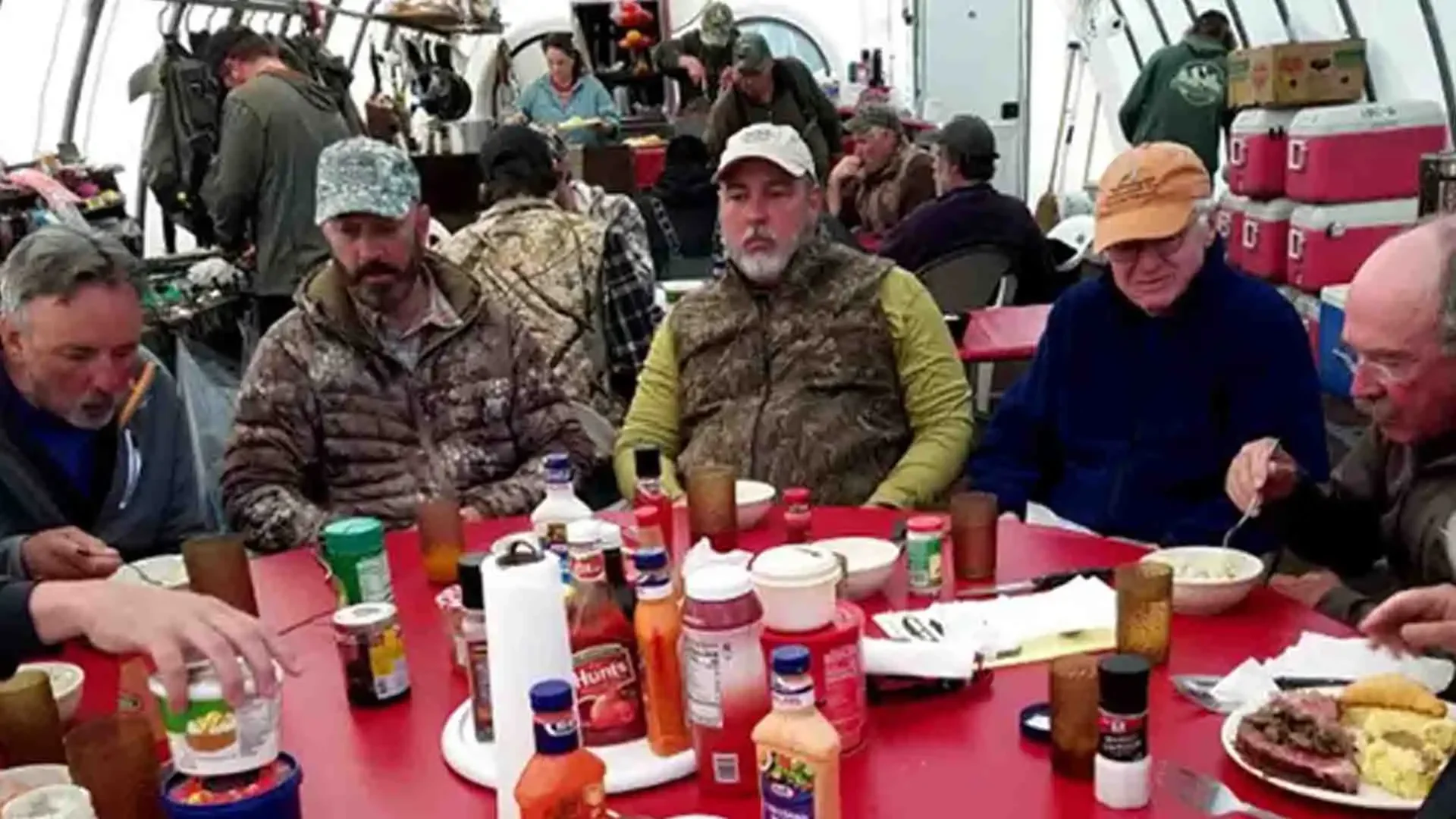
The main camp is strategically located along the Kanektok River to provide easy access to prime fishing spots while maintaining a sense of wilderness seclusion. It features central facilities where guests can gather for meals, briefings, and socializing. Meals are served in a communal dining area, providing hearty breakfasts, deli-style lunches, and multi-course dinners. Guests also have options for shore lunches on the river. The camp is designed to balance comfort with rugged backcountry charm, giving guests a true Alaska wilderness experience without sacrificing basic amenities. Common areas are clean, organized, and built to withstand the remote river environment.
The camps feature heated, double-occupancy tents with comfortable cots, hot showers, and exceptional fishing opportunities just steps from your front door. Guests are responsible for bringing their own sleeping bags. During summer, the midnight sun keeps the area bright late into the night, so some guests bring sleeping masks. Electricity is available through a 12V cigarette lighter adapter or USB outlets, allowing you to charge devices directly in your tent.